
How to Choose a Care Home in Stafford: A Guide for Families
Choosing a care home is rarely something families get time to prepare for. It often follows a hospital stay, a fall, or a slow realisation that care at home has become too much. Add the pressure of comparing homes across Stafford and the wider Staffordshire area, and it is easy to feel stuck. This guide breaks the decision into the questions that matter most, so you can compare homes on what they actually offer.
What Should You Look for When Choosing a Care Home in Stafford?
Start by separating essentials from extras. The essentials are whether the home provides the right type of care, has enough trained staff, and has experience with your relative's condition. Decor, menus and activity calendars matter, but they come second.
Location deserves more weight than most people expect. A home close enough for regular visits makes it easier for staff to learn about the person through you, and for you to notice small changes early. Many families in Stafford weigh that against a slightly longer drive to a better clinical fit.
It also helps to think ahead. A home that supports several types of needs can avoid a second move if health changes. Limewood's care pages show how one home can cover dementia, nursing, neurological and palliative support together.
Which Level of Care Does Your Family Member Need?
Care homes generally fall into residential, nursing and complex care, and the labels are often used loosely. Residential care helps with daily living and personal care. Nursing care adds a registered nurse on site. Complex care supports people whose needs involve several conditions or more intensive clinical input.
A practical test is to list what help your relative needs across a normal day, then add anything clinical: medication, wound care, swallowing difficulty, repeated falls. If the clinical list is long, nursing or complex care is likely to be safer.
Limewood's guide to the differences between residential, nursing and complex care walks through this in more detail.

How Do You Choose Between Nursing Care and Specialist Care in Staffordshire?
A "nursing home" is not automatically specialist. Many nursing homes provide excellent general nursing care but have limited experience with particular conditions, such as Huntington's disease, advanced dementia or serious mental illness.
Ask what the home does day to day for your relative's diagnosis, not just whether it accepts it. Specialist care usually shows in detail: staff who recognise early signs of a condition, routines built around its effects, and links with the relevant health professionals.
NICE's guideline on older people with multiple long-term conditions emphasises care planned across health and social care together, rather than condition by condition. A home that works this way is better placed to cope when needs overlap.
What Does Good Dementia, Neurological or Mental Health Care Look Like?
For dementia, NICE's dementia guideline recommends person-centred care built around each individual's history and preferences. In practice, that means staff who know someone's life story, predictable routines, and calm responses to distress rather than correction.
Neurological conditions such as Parkinson's disease or acquired brain injury call for support with mobility, communication and daily routines, often alongside therapy input. Mental health care for conditions such as schizophrenia or bipolar disorder relies on consistency, structure and staff who understand how symptoms change over time.
At Limewood, specialist dementia care, neurological and brain injury care and mental health care each have their own pages, which show how support differs by condition.
How Important Are Staffing, Training and Nursing Cover?
Staffing is hard to judge from a brochure, yet it shapes daily life more than almost anything else. Ask how many staff are on duty by day and overnight, and whether a registered nurse is on site around the clock. A clear, confident answer is a good sign.
Training matters as much as numbers. Ask what training staff receive for your relative's condition, how often it is refreshed, and who supervises it. Stable teams also help, because residents with memory or communication difficulties settle better with familiar faces.
You can also see who works at a home before you visit. Limewood introduces its team on its Meet the Team page, which is a useful habit to look for in any home you consider.

What Should You Check About Rooms, Facilities and Daily Life?
Daily life is made of small things. Can your relatives bring furniture and photographs? Is there outdoor space that is safe to use independently? Are meals flexible, or tied to rigid times?
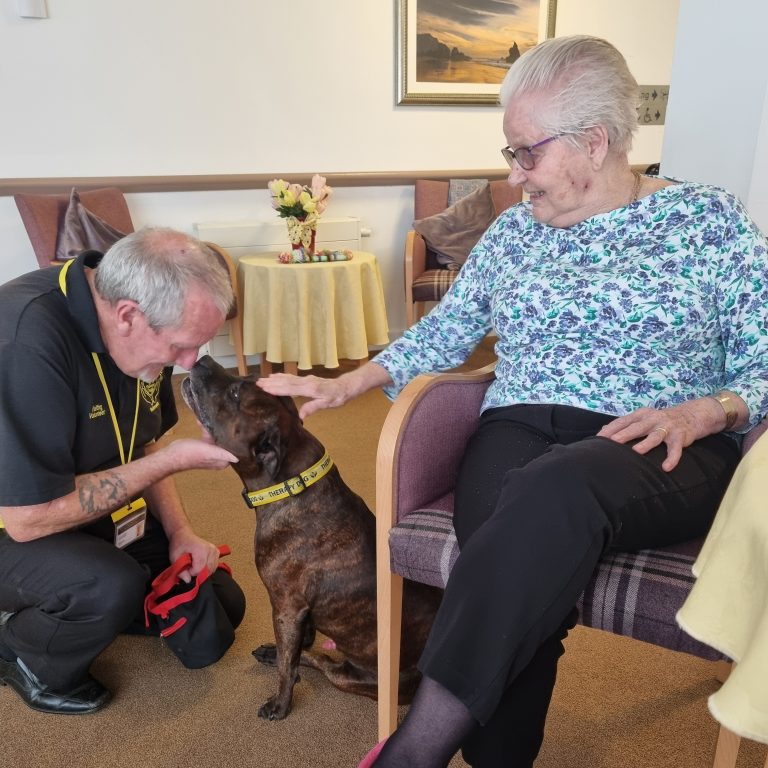
Ask what a typical day looks like, and whether there is a dedicated activities team rather than an occasional visiting entertainer. Activities that reflect a person's past interests tend to engage residents far more than generic programmes.
Limewood's rooms, dining and gardens and outdoor areas are all described on the website, alongside lounges, activity spaces, a cinema and a hair salon. Comparing that level of detail across homes helps you spot which ones are open about daily life.
How Can You Check a Care Home's CQC Rating and Reputation?
Every registered care home in England is inspected by the Care Quality Commission, which assesses services against five key questions: is the service safe, effective, caring, responsive and well-led. Each home receives an overall rating of Outstanding, Good, Requires Improvement or Inadequate.
The headline rating is a useful first filter, but read the full report. It describes how staff speak to residents, how care plans are used and how complaints are handled. Reports are free on the CQC website.
Add independent reviews from other families, and weigh them against what you see on a visit. No single source gives the full picture, but together they come close.
What Questions Should You Ask When Visiting a Care Home?
A visit tells you more than any website. Ask how care plans are created and reviewed, how families are kept informed, and what happens if your relative's health changes. Find out whether the home would manage that change itself or need to arrange a move.
Watch the details. Notice how staff speak to residents, whether people look settled and occupied, and whether the home feels lived in rather than staged. Trust your impressions alongside the answers you are given.
It is also worth asking how the home involves families after admission. Good homes treat relatives as partners in care planning, not only as visitors, and can describe clearly how that works in practice.

How Can Limewood Support Families Making This Decision?
Limewood Care Home on Limetree Avenue in Stafford provides 24-hour support for people living with dementia, neurological conditions, mental health needs and complex physical health conditions, including palliative and end-of-life care. Families are welcome to ask questions about any of these before deciding, whether they are comparing several homes or just beginning to look.
If it would help to talk through your situation, or see the home for yourself, the team at Limewood would be glad to arrange a conversation or a visit at a time that suits you.
Frequently Asked Questions
What is the difference between residential and nursing care?
Residential care supports daily living and personal care. Nursing care adds a registered nurse on site for people with medical needs such as medication management or long-term conditions.
How do I know if a care home in Stafford is right for dementia care?
Look for staff trained specifically in dementia, a calm and easy-to-navigate environment, and care plans built around the person's history and routines.
What should I look for in a CQC report?
Read beyond the overall rating. The detailed findings describe how staff treat residents, how care is planned and how the service responds to concerns.
Can a care home support more than one type of need?
Some can. Homes offering several care types under one roof, such as dementia and nursing care, can reduce the chance of a further move if needs change.
When should we start looking at care homes?
Earlier is easier. Visiting homes before a crisis gives you time to compare options calmly rather than deciding under pressure.
If you would like to talk through care options for someone you love, the team at Limewood Care Home in Stafford is happy to answer questions or arrange a visit.